
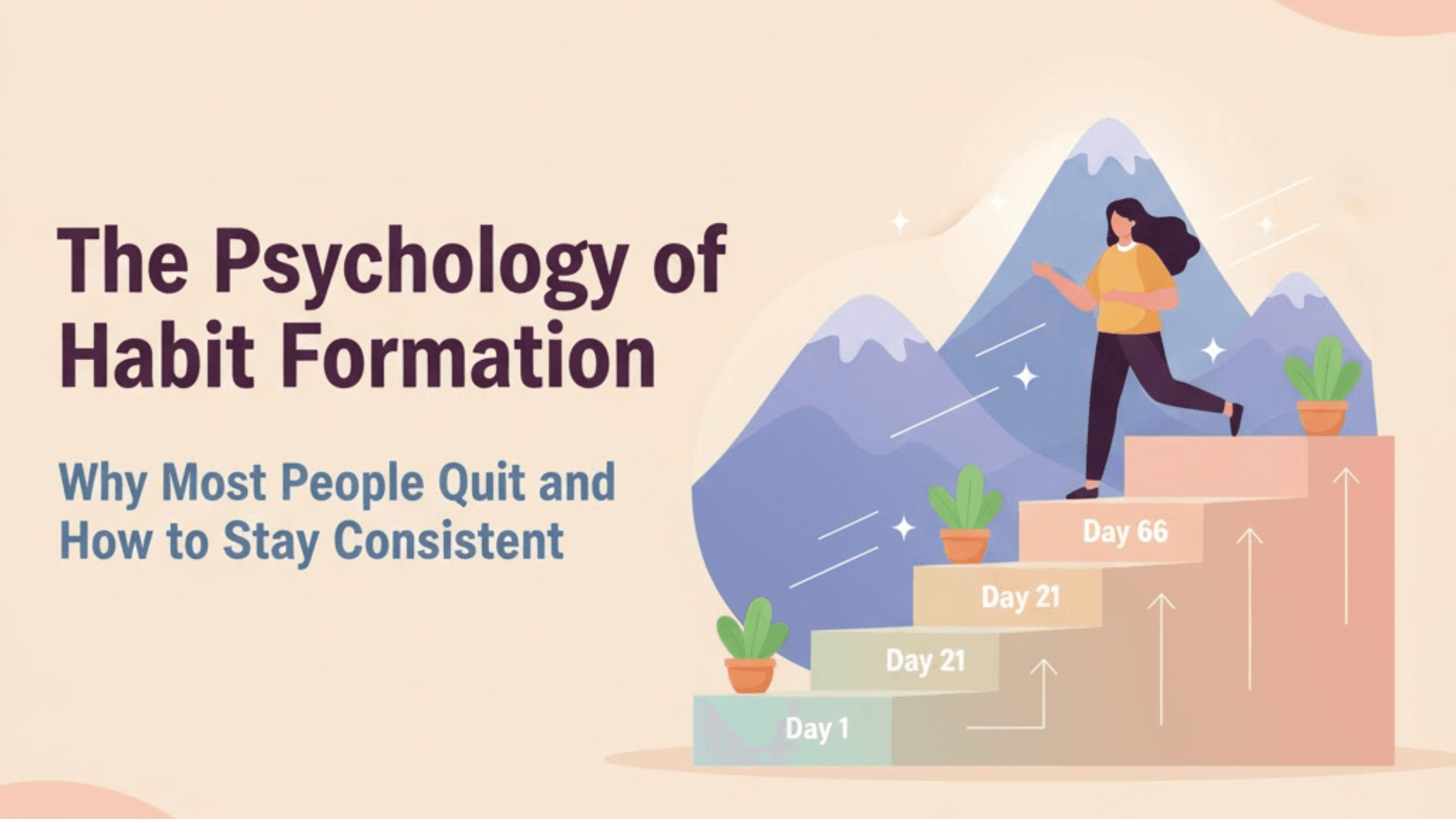

The Psychology of Habit Formation: Why Most People Quit and How to Stay Consistent
Why do 90% of habits fail? It isn’t a lack of willpower; it’s a lack of structure. This guide explores the neuroscience of behavior change and how Rhabits leverages psychology to turn fleeting motivation into effortless consistency.
Building better habits is something almost everyone aspires to — whether it’s exercising more, reading daily, or cutting down on endless scrolling. Yet research shows that roughly 80–90% of people abandon new habits within the first three weeks.
Why? It’s rarely because we don’t care enough. It’s because most of us build habits on shaky psychological ground — driven by motivation rather than structure, and emotion rather than system.
In this guide, we’ll explore what actually happens in your brain when you try to form a habit, why so many attempts fail around the 21-day mark, and how tracking, accountability, and small wins can help you stay consistent.
We’ll also show how Rhabits, a modern habit-tracking app, uses these principles to make behavior change effortless.
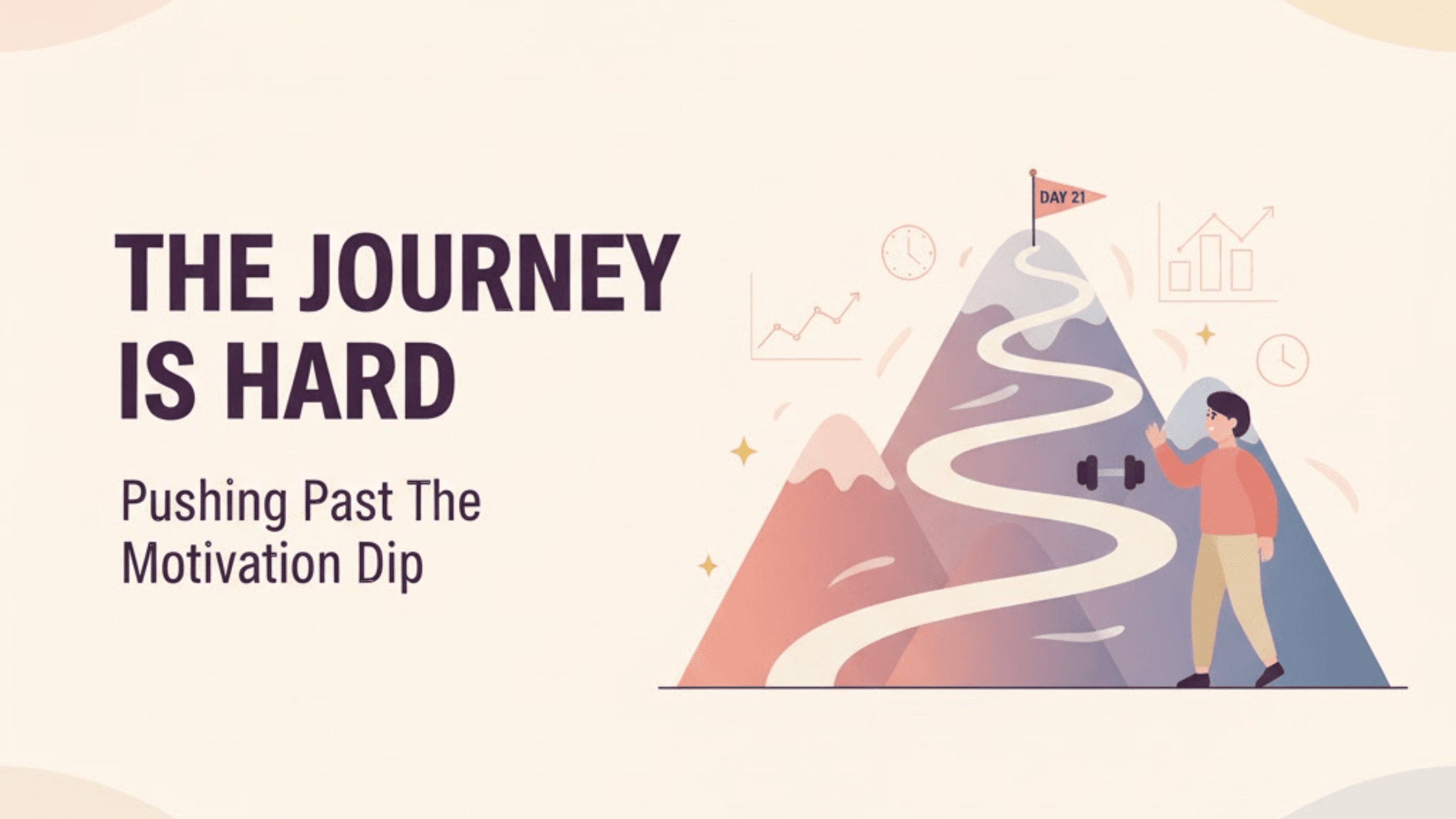
Why Most Habits Fail After 21 Days
The “21-day habit rule” is one of the most persistent myths in self-improvement. It originated from a 1960s observation by Dr. Maxwell Maltz, who noted that it took his patients about three weeks to adjust to a new appearance. Over time, this became “it takes 21 days to form a habit.”
But modern behavioral research disagrees.
A 2009 study at University College London found it takes 66 days on average for a new habit to become automatic — anywhere between 18 and 254 days, depending on the person and the behavior.
Simpler habits (drinking water) form faster; complex ones (daily workouts) require more repetition.
When people hit day 21, their motivation often dips but their reward isn’t internalized yet. They’re stuck in the “effort without payoff” phase — where the habit still feels like work.
The Motivation Trap
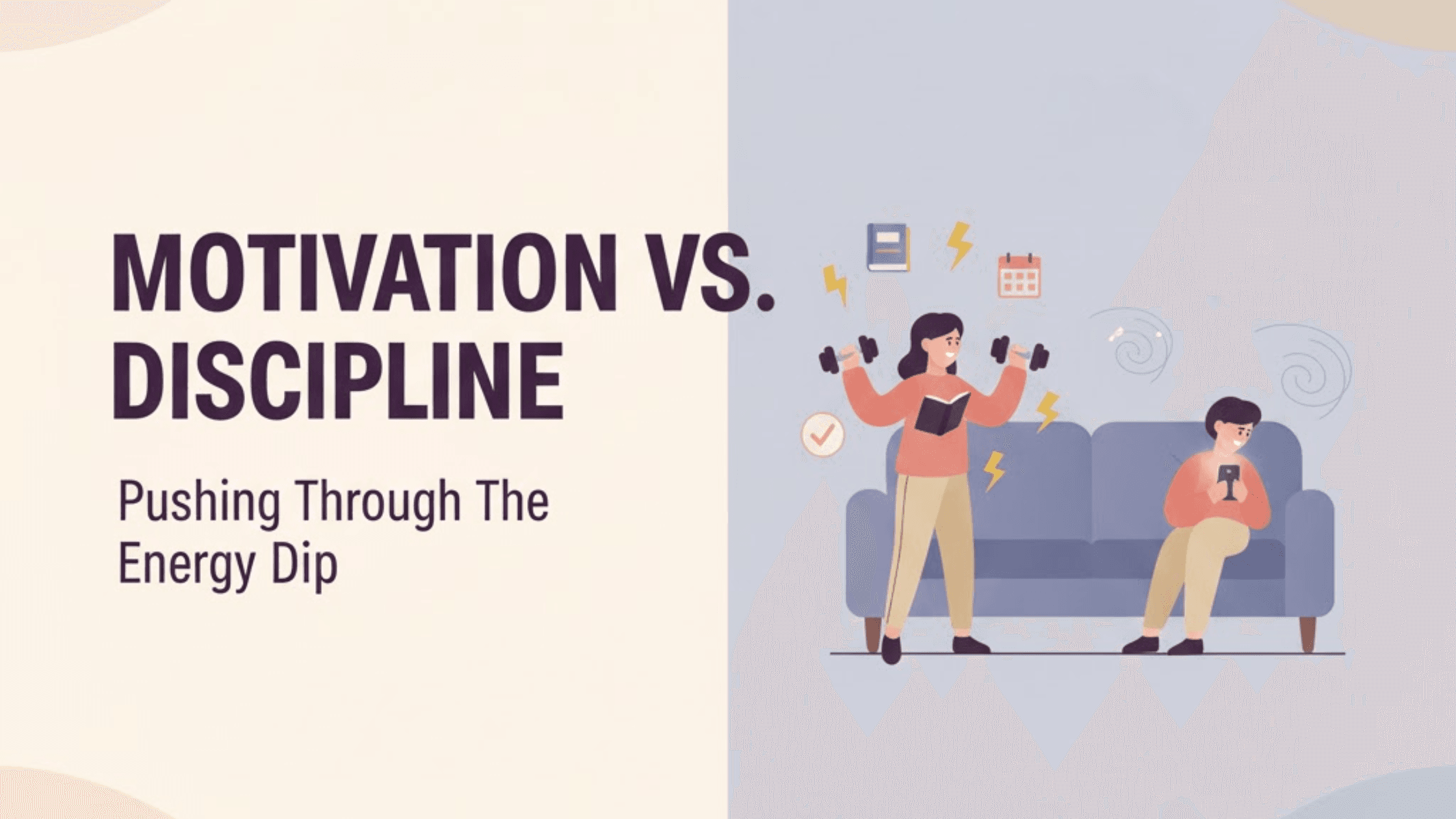
At first, motivation is high. You start strong, maybe even post about it online. But after a few days, external excitement fades, and without a system to sustain the effort, the habit dies.
Psychologists call this the intention–behavior gap — the space between what we want to do and what we actually do.
Closing that gap requires structure, not willpower.
The Habit Loop: Cue → Routine → Reward
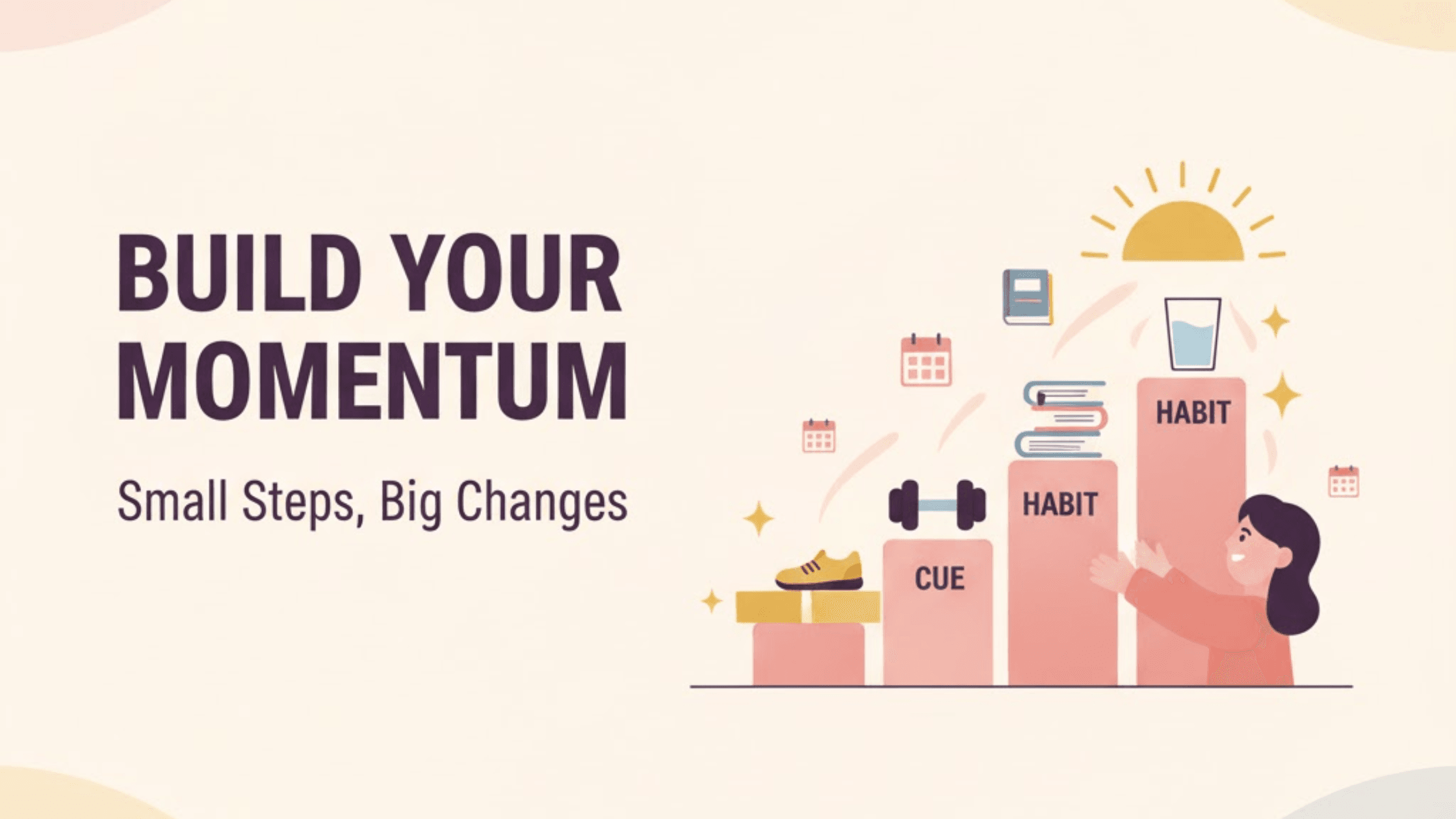
Every habit — good or bad — runs through a neurological pattern known as the habit loop.
Cue: The trigger that tells your brain to start the behavior.
Example: You wake up and see your running shoes.Routine: The behavior itself.
Example: You go for a short run.Reward: The positive outcome that reinforces the loop.
Example: You feel alert, or see your progress chart fill up.
Over time, your brain begins to crave the reward as soon as it sees the cue. That’s when a habit becomes automatic.

Rewriting the Loop
Bad habits follow the same pattern: cue (boredom) → routine (scrolling) → reward (dopamine hit). To change behavior, don’t erase the loop — rewrite it. Keep the cue, swap the routine, preserve the reward.
The Role of Tracking and Accountability
Tracking a habit isn’t just for organization — it’s psychological reinforcement in action.
1. Visibility Creates Awareness
When you track progress, you turn effort into evidence. Even a small checkbox or streak count gives your brain tangible proof that you’re improving — what behavioral economist Dan Ariely calls the “IKEA Effect”.
2. Rewards Reinforce Behavior
Each time you mark a habit complete, your brain releases dopamine — reinforcing the satisfaction of progress. Rhabits uses visual streaks to make this reward immediate and satisfying.
3. Accountability Prevents Drop-Off
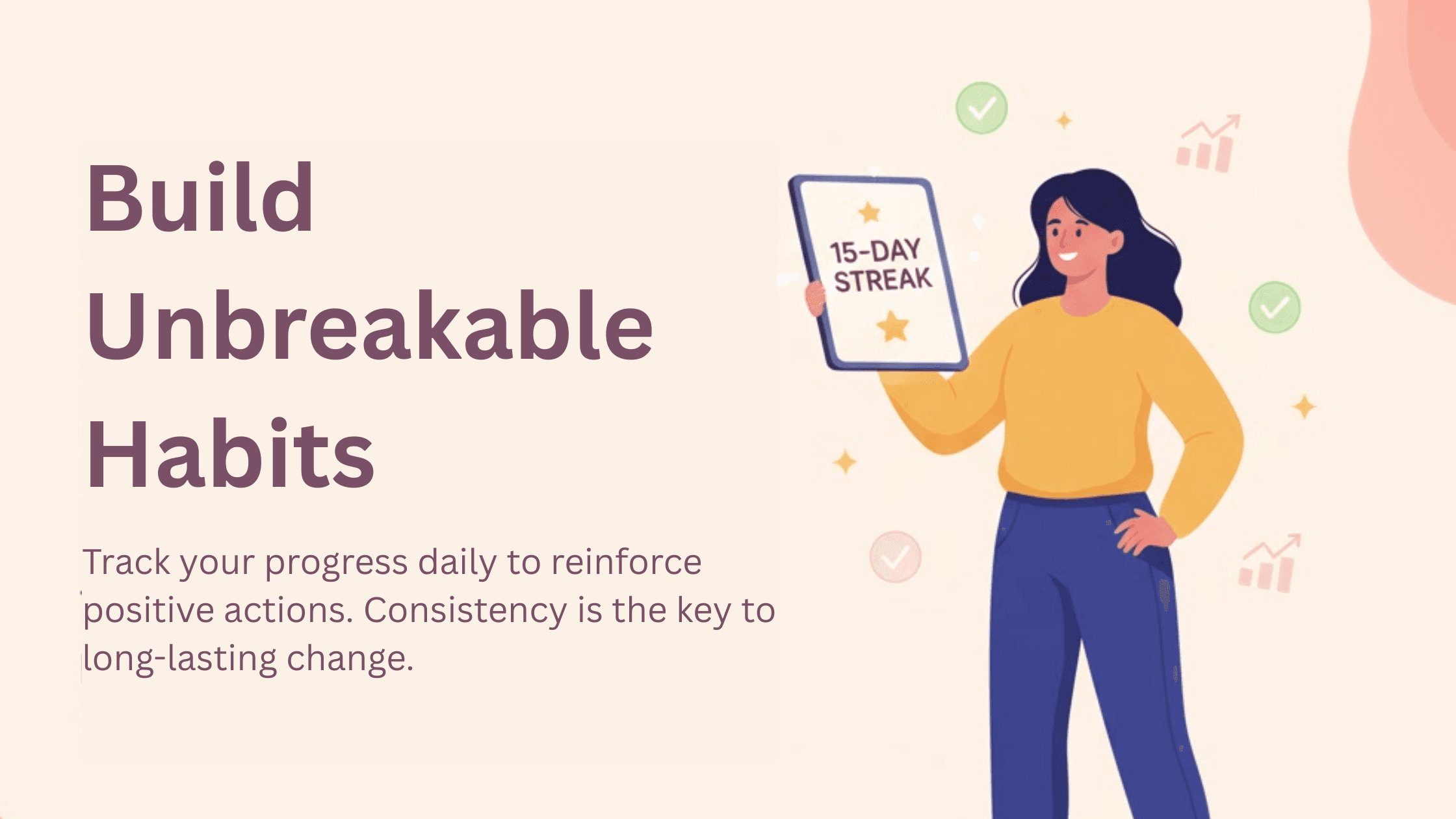
Logging your habits daily builds a public or private sense of accountability. Once you’re on day 15 of your streak, quitting becomes psychologically harder than continuing.
4. Reflection Encourages Adaptation
Tracking allows for reflection. You can see patterns — when you’re consistent, when you slip — and adjust accordingly. Without this feedback, you’re flying blind.
How Rhabits Reinforces Behavioral Cues
Rhabits isn’t just a digital checklist — it’s a psychology-driven system built around how the brain forms habits.
1. Cue Integration
Attach habits to existing routines: “after coffee,” “before bed,” or “right after a workout.” Rhabits’s smart scheduling helps you automate those triggers through context-based cues.
2. Visual Streaks
Every completed habit adds to your visible streak — a digital “reward loop” that keeps dopamine levels engaged. Each tap feels like a small win, making progress emotionally rewarding.
3. Minimal Friction Design
The fewer steps it takes to log a habit, the more likely you’ll keep it. Rhabits’s one-tap tracking and clean interface minimize cognitive friction and keep focus on repetition.
4. Data-Driven Insights
Track consistency, longest streaks, and weekly averages. When your results are visualized, accountability happens naturally — you see progress, not just hope for it.
5. Gentle Accountability Reminders
Rhabits’s reminders are supportive, not demanding. Messages like “Your streak’s waiting” or “You’re one tap away” use positive reinforcement to build trust instead of guilt.
6. Community Challenges
Social influence drives behavior. With the 7-Day Habit Challenge, users commit to short consistency bursts, leveraging social proof and group motivation — two powerful behavioral triggers.
From Motivation to Momentum
Let’s connect psychology with design:
Consistency isn’t about trying harder — it’s about making the right actions automatic.
How to Build Habits That Stick (Step-by-Step)
Start Small
Pick a two-minute version of your desired habit. Small wins build momentum.Anchor It
Pair the new behavior with something you already do daily.
Example: “After brushing my teeth, I’ll drink a glass of water.”Track It
Visibility turns intent into progress. Use Rhabits to make your streak visible and satisfying.Celebrate Each Win
Your brain thrives on recognition. Marking progress is a reward in itself.Expect Imperfection
You’ll miss days. That’s normal. The rule: never miss twice.Review Weekly
Reflection turns data into learning. Rhabits’s analytics show you what’s working and what needs adjusting.
Why Systems Beat Willpower
Willpower is a limited resource; systems are renewable. When you automate cues, reduce friction, and create feedback loops, habits become the default rather than the exception.
“You don’t rise to the level of your goals — you fall to the level of your systems.”
— James Clear, Atomic Habits
Rhabits helps you build those systems — turning intentions into structure, and structure into success.
Identity Over Outcome
The deepest form of habit change isn’t external. It’s not “I want to exercise.” It’s “I’m the kind of person who doesn’t miss workouts.”
Every time you mark a habit complete in Rhabits, you’re casting a vote for your new identity. You’re proving — to yourself — that you’re consistent.
Avoid These Common Pitfalls
Consistency Is a Skill
Consistency isn’t about perfection; it’s about showing up again and again until it becomes natural. When you align psychology with design — habit loops, rewards, accountability — change becomes sustainable.
Rhabits combines those insights into one seamless experience: track, visualize, and grow.
It’s not about doing more. It’s about doing better, daily.
Start building habits that stick with Rhabits.
 Share on X
 Share on Facebook


